Hip Treatments

Hip Treatments

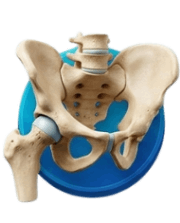
We perform hip fractures, hip dislocations, hip osteoarthritis, hip replacements, and hip replacement revisions.

Hip Treatments

The hip joint plays a vital role in many daily activities, from walking and climbing stairs to putting on shoes and sleeping comfortably at night.

For this reason, pain and limited mobility in the hip can significantly impact quality of life.

Hip pain is not always caused by osteoarthritis. Muscle and tendon issues, impingement syndromes, sports injuries, rheumatic diseases, or structural abnormalities in the hip joint can also lead to similar symptoms. Therefore, the first step toward proper treatment is an accurate diagnosis.

The goal is not merely to reduce pain; it is to help the patient regain their mobility, continue their daily life with confidence, and return to their favorite activities as much as possible.

Frequently Asked Questions

The symptoms of hip dislocation can vary from person to person. The most common symptoms include severe pain, limited hip movement, and leg shortening or leg rotation.

Treatment for hip dislocation varies depending on the cause, severity, and the patient’s overall condition. In cases of congenital hip dislocation, the joint can be repositioned in infants through early diagnosis using special braces or casts. In advanced cases, surgical intervention may be necessary.

In traumatic hip dislocation, which can also occur in adults, the dislocation can be reduced by an orthopedic specialist or, if necessary, repaired through surgery.

Regular pediatric checkups are crucial for early diagnosis in infants. Using proper equipment and employing correct techniques while participating in sports can help prevent traumatic hip dislocation. Seat belts should be worn to protect against traffic accidents.

Symptoms include severe pain in the hip and groin area, difficulty standing up and limited mobility, inability to walk or put weight on the leg, and a difference in leg length.

The post-surgery recovery period varies depending on the patient’s age, overall health, and the severity of the fracture. Physical therapy plays an important role in the recovery process.

To maintain bone health, eat foods rich in calcium and vitamin D. Do exercises that improve balance and muscle strength. Be careful to avoid falls and take safety precautions (such as securing rugs and using non-slip mats in the bathroom).

It is a condition in which the cartilage in the hip joint wears down over time. This causes the bones to rub against each other, leading to painful stiffness and limited mobility.

The most common symptoms include hip pain, stiffness and tightness in the hip in the morning, increased pain during movement or after sitting for a long time, difficulty with activities such as climbing stairs and walking, and grating sounds coming from the joints.

Wear and tear on the joint cartilage that occurs with aging, excessive strain on the joint due to being overweight, genetic predisposition, intense physical activity, heavy physical labor, and trauma (such as impacts or falls) can all lead to hip osteoarthritis.

Treatment options include lifestyle changes (weight loss, regular exercise, and avoiding excessive strain), pain relievers and anti-inflammatory medications, exercises to strengthen muscles and improve joint mobility (physical therapy), and, when necessary, surgical treatments (hip replacement).

Low-impact exercises (such as swimming and walking) strengthen the muscles around the knee and improve the knee joint’s range of motion. However, it is important not to overdo it.

Additionally, since early diagnosis is crucial for treatment, you should consult an orthopedic doctor if you experience mild pain or discomfort in the knee.

It is the surgical replacement of a hip joint that has been damaged and has lost its function due to conditions such as hip dislocation, severe osteoarthritis, or avascular necrosis, using artificial materials.

A total hip replacement may be necessary in cases of severe hip pain, inability to perform daily activities, or limited mobility. While it is typically performed on patients over the age of 60, it can also be performed on younger patients when medically necessary.

The surgery is performed under general anesthesia and takes about 2 hours. The damaged joint surfaces are removed and replaced with artificial joint components made of various materials (metal, ceramic, etc.).

While this varies depending on the patient’s age, weight, and physical activity level, modern total hip replacements typically last 15 to 20 years or longer.

After hip replacement surgery, patients are relieved of their pain, regain their mobility, and experience a significant improvement in their quality of life.

Patients can usually start walking within 1 to 2 days after surgery. Full recovery, however, takes between 3 and 6 months. Physical therapy and exercise are an important part of the recovery process.

The content of this page is for informational purposes only. For all questions regarding your health, diagnosis, or treatment, please consult your doctor or healthcare provider.

Update date: June 7, 2026

Call
Directions
Instagram
WhatsApp Appointment