Knee Treatments
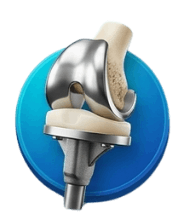
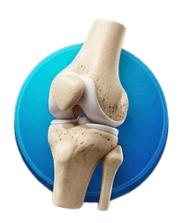
The most common knee conditions include meniscus tears, cruciate ligament injuries, cartilage damage, and osteoarthritis. Knee replacement surgery is performed when other treatments prove ineffective.
The most common knee conditions include meniscus tears, cruciate ligament injuries, cartilage damage, and osteoarthritis. Knee replacement surgery is performed when other treatments prove ineffective.
Our knees are among the joints that keep us on our feet and work the hardest.
Factors such as excess weight, aging, improper movement, and overuse of the knee can lead to knee problems.
The most common knee conditions include meniscus tears, cruciate ligament injuries, cartilage damage, and osteoarthritis.
Treatment for knee pain varies depending on the cause and severity of the pain.
The content of this page is for informational purposes only. For all questions regarding your health, diagnosis, or treatment, please consult your doctor or healthcare provider.
Update date: June 6, 2026