Prosthetic Surgery

Prosthetic Surgery

Total hip, knee and shoulder prosthetics to improve your quality of life.

Watch Video
Prosthetic Surgery

Joint pain and limited mobility that reduce quality of life can be treated with joint replacement surgery.

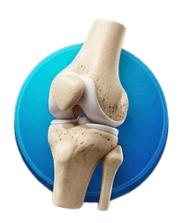
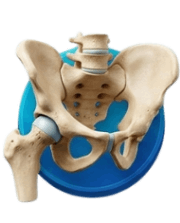
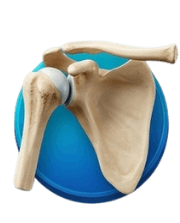
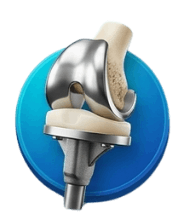
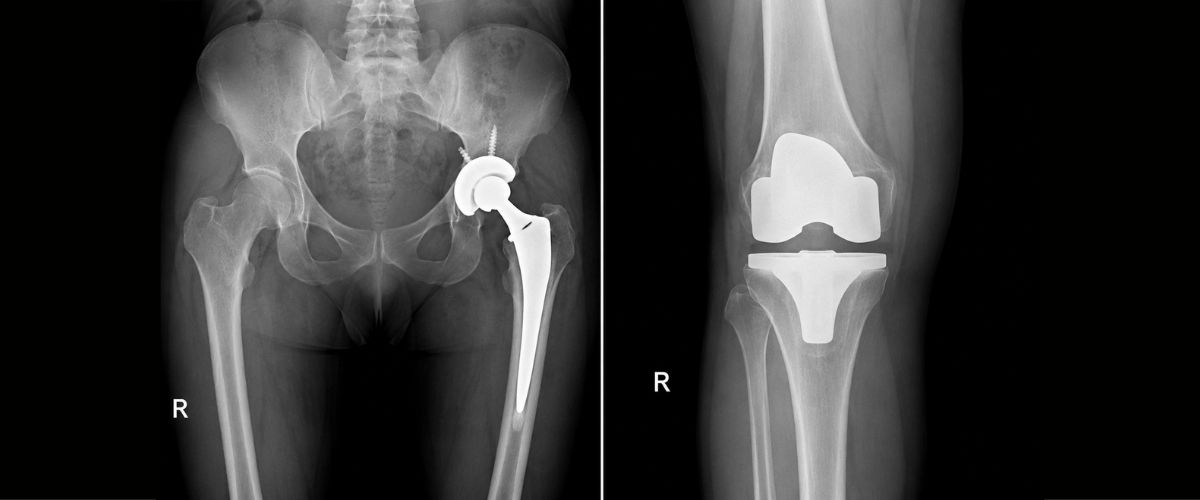
Joint replacement surgery involves replacing damaged or non-functional joints or organs with artificial materials. It is commonly performed on joints such as the knee, hip, and shoulder.

Although it is typically performed on patients aged 60 and older, it can also be performed on younger patients when necessary (e.g., severe pain, trauma, etc.).

Frequently Asked Questions

Joint replacement surgery is a procedure in which damaged or non-functional joints or organs are replaced with artificial materials. It is commonly performed on joints such as the knee, hip, and shoulder.

The most common cause is severe osteoarthritis, though joint replacement surgery may also be recommended in cases of trauma, rheumatoid arthritis, or congenital deformities.

Joint replacement surgery offers an effective solution for patients experiencing severe pain and limited mobility, making it easier for them to participate in daily activities. It also offers benefits such as improved mobility, reduced pain, and an enhanced quality of life.

Although it is generally performed on patients aged 60 and older, it can also be performed on younger patients when necessary (e.g., severe pain, trauma, etc.).

Although this varies depending on the patient’s age, weight, and physical activity level, modern prostheses typically last 15–20 years or longer.

The surgery is typically performed under general anesthesia and lasts about 2 hours. During the procedure, the damaged cartilage and bone tissue are removed, and the prosthesis—which has been custom-made based on precise measurements—is implanted.

Like any surgical procedure, prosthetic surgery carries certain risks. However, an experienced surgeon, a sterile environment, and following the doctor’s pre- and post-operative instructions will minimize these risks.

Although the full recovery period varies from person to person, it typically takes 3 to 6 months. Physical therapy and exercises are very important during the post-operative period. Eating a balanced diet and maintaining a healthy weight help ensure the long-term use of the joint replacements.

Generally, the patient is helped out of bed the day after surgery, with the assistance of a physical therapist and using a walker. Walking early on is vital for preventing blood clots and joint stiffness.

The cost of prosthetic surgery varies depending on the area to be treated, the materials used, and the patient’s health condition. Please contact us for more information.

If the patient’s overall health, heart, and lung capacity are suitable, and the anesthesiologist gives approval, both knees can be operated on during the same session.

This allows the patient to go through a single recovery and rehabilitation period.

However, for high-risk patients, it is safer to perform the surgeries 3 to 6 months apart.

Thanks to advances in material quality and surgical techniques, the average lifespan of a modern knee replacement is 15 to 20 years, and sometimes even longer.

The prosthesis may need to be replaced due to loosening, infection, or trauma. The issue here is not that the material used in the prosthesis has reached the end of its lifespan, but rather a problem with the connection between the prosthesis and the body caused by aging and other factors.

Forcing the knee into an excessive bend after knee replacement surgery can cause strain on the prosthesis and the surrounding muscles.
🔹Therefore, you should avoid squatting excessively
🚽 You should use a Western-style toilet instead of a squat toilet

The content of this page is for informational purposes only. For all questions regarding your health, diagnosis, or treatment, please consult your doctor or healthcare provider.

Update date: June 6, 2026
Call
Directions
Instagram
WhatsApp Appointment